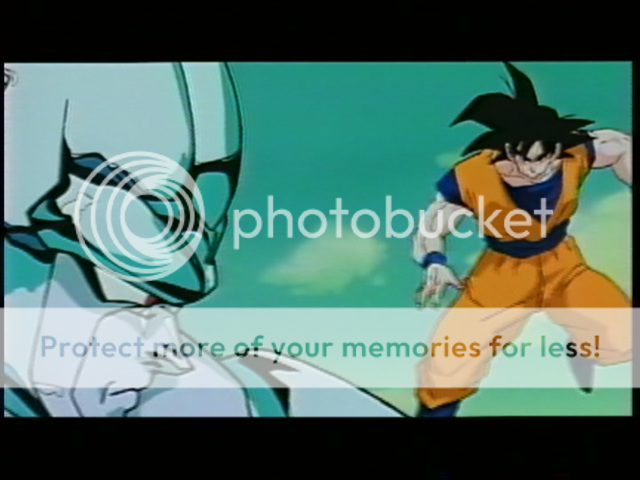
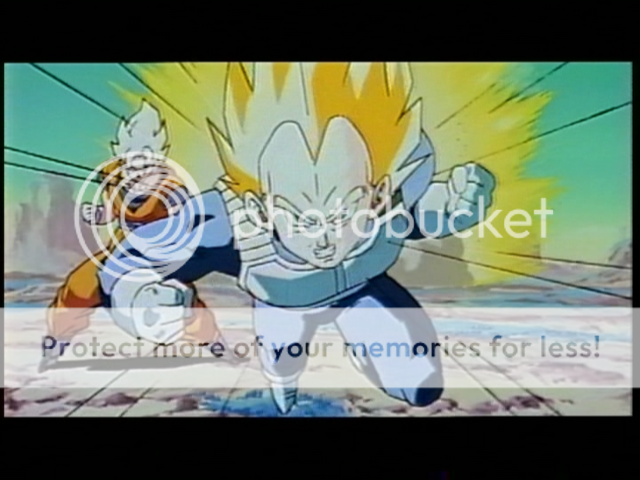
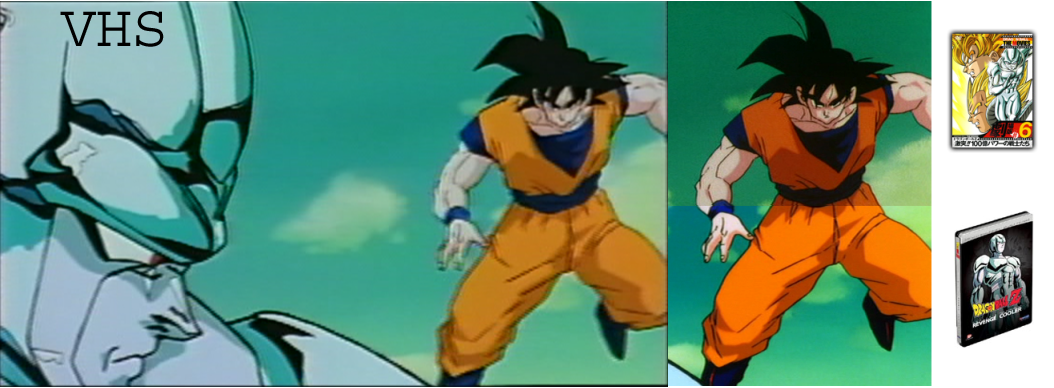
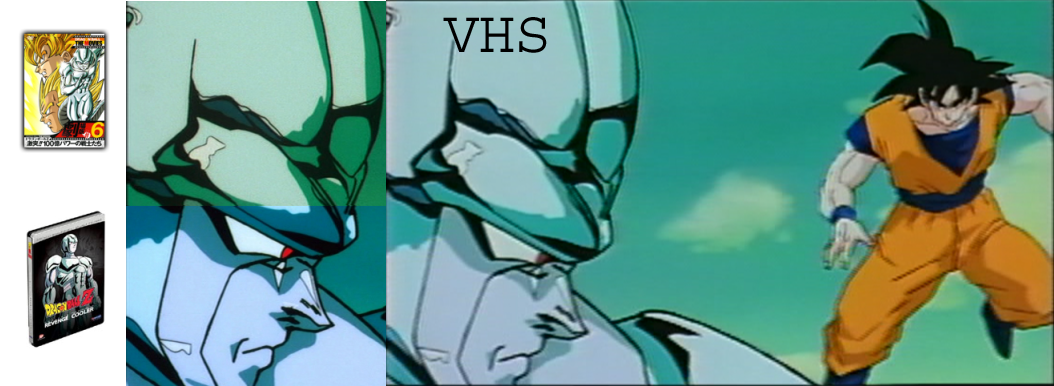
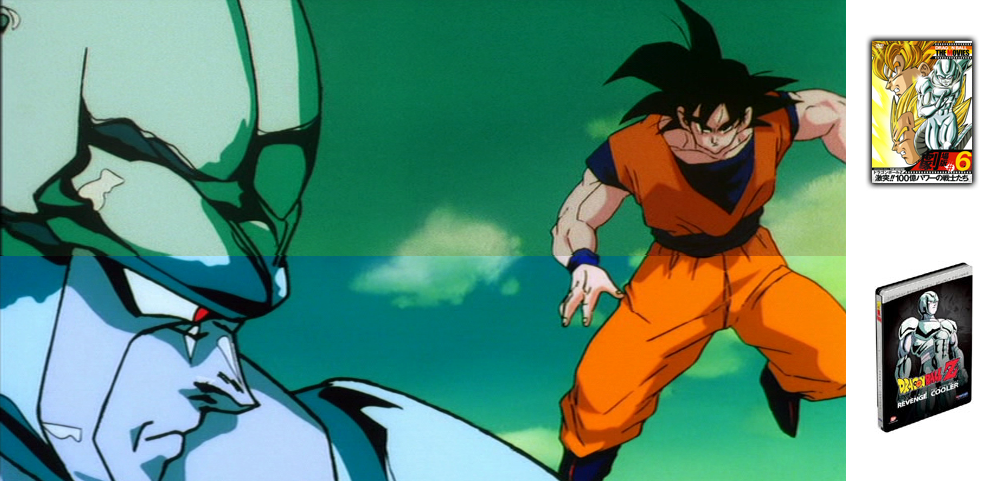
I was just demonstrating the point that one can not arbitrarily select an image format, post it up, and compare it with any other image in a critical analysis. The results are too varied and everyone is likely to use different settings. But it wouldn’t even matter if everyone used JPEG Quality 100, because JPEG is an inherently lossy format, and therefore it must discard data by definition. There may not be any perceptible difference at a glance, but when we get down to the nitty-gritty details, who’s to say what’s an attribute of the original encode or the compression scheme that somebody happened to use?biohazard wrote:Compare a png-24 image with a jpg-quality-100 one (not a jpg-quality-10...) and then tell us if you see any difference.
At the human eye there won't be any difference but the file size, smaller in the jpg image.
The compressibility of an image varies depending on the subject matter and how suited the algorithm is for dealing with it. As “most cartoons tend to have sharp edges, large areas of contiguous color, and nowhere near 256 different colors … PNG [is] a perfect choice” (PNG Tips for Cartoonists). JPEG, on the other hand, is more or less the opposite. It was designed specifically for photographs, and “is best at compressing smooth tonal transitions and cannot properly reproduce … harsh transitions [along] edges” (JPEG graphics, Web Style Guide).Sorry for the off-topic, but if we can save some bandwidth and the image we will obtain is visually identical everyone will be happier.
Your image happens to be a smooth tonal transition, and so of course you are going to get better results from JPEG with that. But screenshots, especially animé, can only benefit from PNG. Whatever file size savings you may obtain from a lossy encoding will not be worth it. This is 2008, after all; it’s not like we’re really pressed for bandwidth, especially when everybody’s uploading to imageshack or photobucket.






 . As for your question, Gozar, vectored means that they took a screencap and digitally edited it. Traced over, almost; to make it look "cleaner". At least, I think it does.