
Dragon Ball Z Season Eight (DVD): Difference between revisions
m →General Overview: Fixed Faulconer Productions reference |
template fix |
||
| Line 130: | Line 130: | ||
==References== | ==References== | ||
{{reflist}} | {{reflist}} | ||
{{ | |||
{{Home Video}} | |||
[[Category:Funimation Home Video Releases]] | [[Category:Funimation Home Video Releases]] | ||
Revision as of 21:34, 7 June 2021

|
This page is incomplete. Kanzenshuu wiki team members are aware that they must edit this page to add missing information and complete it. Reason: translation. |
|
|
| Dragon Ball Z Season Eight (DVD) | |
|---|---|
| Dragon Ball Z Season Eight | |
|
| |
| Release Date | 10 February 2009 |
| Catalog Number | FN-02250 |
| Contents | |
| Primary Content |
Dragon Ball Z Episode 220- Dragon Ball Z Episode 253 |
| Primary Aspect Ratio | 16:9 |
| Disc Information | |
| Region Coding | 1, 2, 4 |
| Country | United States |
| Company | Funimation |
| Authoring | FUNimation® Productions, Ltd. |
"Dragon Ball Z Season Seven" is Funimation's seventh "season"-based DVD box set (of nine total), presenting Dragon Ball Z television episodes 220-253 in a standard-definition (480p), cropped, widescreen, "digitally remastered" format, originally released 10 February 2009 in North America. These "season" sets are both colloquially known and internally at Funimation referred to as the "Orange Bricks."[1]
General Overview
Each orange brick features episodes of Dragon Ball Z with branching video tracks depending on the language selected:
- With English voices selected: an altered English-only episode title card is displayed; openings are creditless; each episode's ending has English reversion credits unique to each episode's production.
- With Japanese voices selected: the original Japanese episode title card is displayed; openings and endings are creditless.
The opening theme uses its second and third animation versions (of four total), while the ending theme uses its first animation version (of two total). Funimation-specific credits are featured on the English video track's ending animation. All eyecatches are presented in their correct location mid-episode. No "next episode previews" are provided. The English audio (with original soundtrack) is selected by default.
- Opening: "WE GOTTA POWER"
- Ending: "We Were Angels"
- Eyecatch: (Gohan, Videl, Goten, North Kaio, Bubbles and Goku) (v.2)
Though the series is historically divided into "story arcs" in Japan, this release marks Funimation's first branding of arbitrary "seasons" for a home video release, the delineations of which do not correspond to their own actual broadcast seasons from either syndication or cable broadcasts.
The "U.S. Broadcast Audio" uses the Faulconer Productions score and reverts the dub track to the 1999 Broadcast version (featured on the first run of home releases in North America). There are small differences between this version and FUNimation's original broadcast audio; most notably added dialogue and removal/addition of some added sound effects.
Summary
This plot summary is given on the DVD cover:
Includes the Complete BABIDI & MAJIN BUU SAGAS
The forces of good and evil have converged upon the planet Earth, and the fate of the universe hangs in the balance! The evil wizard Babidi has traveled across the galaxy on a quest for revenge, hoping to fulfill his father's thwarted dreams of universal domination. Meanwhile, the Supreme Kai has come to enlist the aid of the Z-Fighters in an effort to prevent Babidi from completing his plans and awakening a monster of unimaginable terror—Majin Buu!
As Goku and the Z-Fighters descend into Baidi's lair, they are confront by an army of powerful minions, led by the Demon King Dabura himself! Can our heroes resist the wizard's dark magic and battle their way through this host of villains before time runs out? With each passing second, more energy is gathered for the sleeping Majin Buu. And should this creature of pure evil be awakened, all life—everywhere—will be extinguished!
Contents
This DVD box originally included a booklet with short synopses for every episode; these are included in the table exactly as they were written. Funimation no longer includes the booklets with new printings.
Disc 1 (Episodes 220-225)
((WIP))
Disc 2 (Episodes 226-231)
((WIP))
Disc 3 (Episodes 232-237)
((WIP))
Disc 4 (Episodes 238-243)
((WIP))
Disc 5 (Episodes 244-248)
((WIP))
Disc 6 (Episodes 249-253 and Extras)
((WIP))
Textless Songs
Trailers
((WIP))
- DBZ Season Eight DVD Menus
-
![Discs 1 main menu. BGM: [[]].](/mediawiki/images/thumb/2/28/DBZOBS8D1-Main.png/120px-DBZOBS8D1-Main.png) Discs 1 main menu.
Discs 1 main menu.
BGM: [[]]. -
![Disc 1 episode menu. BGM: [[]].](/mediawiki/images/thumb/8/8c/DBZOBS8D1-Episodes.png/120px-DBZOBS8D1-Episodes.png) Disc 1 episode menu.
Disc 1 episode menu.
BGM: [[]]. -
![Disc 1 setup menu. BGM: [[]].](/mediawiki/images/thumb/6/6a/DBZOBS8D1-Setup.png/120px-DBZOBS8D1-Setup.png) Disc 1 setup menu.
Disc 1 setup menu.
BGM: [[]]. -
![Disc 2 episode menu. BGM: [[]].](/mediawiki/images/thumb/3/34/DBZOBS8D2-Episodes.png/120px-DBZOBS8D2-Episodes.png) Disc 2 episode menu.
Disc 2 episode menu.
BGM: [[]]. -
![Disc 2 setup menu. BGM: [[]].](/mediawiki/images/thumb/7/70/DBZOBS8D2-Setup.png/120px-DBZOBS8D2-Setup.png) Disc 2 setup menu.
Disc 2 setup menu.
BGM: [[]]. -
![Disc 3 episode menu. BGM: [[]].](/mediawiki/images/thumb/7/79/DBZOBS8D3-Episodes.png/120px-DBZOBS8D3-Episodes.png) Disc 3 episode menu.
Disc 3 episode menu.
BGM: [[]]. -
![Disc 3 setup menu. BGM: [[]].](/mediawiki/images/thumb/6/66/DBZOBS8D3-Setup.png/120px-DBZOBS8D3-Setup.png) Disc 3 setup menu.
Disc 3 setup menu.
BGM: [[]]. -
![Disc 4 episode menu. BGM: [[]].](/mediawiki/images/thumb/6/61/DBZOBS8D4-Episodes.png/120px-DBZOBS8D4-Episodes.png) Disc 4 episode menu.
Disc 4 episode menu.
BGM: [[]]. -
![Disc 4 setup menu. BGM: [[]].](/mediawiki/images/thumb/6/6f/DBZOBS8D4-Setup.png/120px-DBZOBS8D4-Setup.png) Disc 4 setup menu.
Disc 4 setup menu.
BGM: [[]]. -
![Disc 5 episode menu. BGM: [[]].](/mediawiki/images/thumb/e/eb/DBZOBS8D5-Episodes.png/120px-DBZOBS8D5-Episodes.png) Disc 5 episode menu.
Disc 5 episode menu.
BGM: [[]]. -
![Disc 5 setup menu. BGM: [[]].](/mediawiki/images/thumb/f/fa/DBZOBS8D5-Setup.png/120px-DBZOBS8D5-Setup.png) Disc 5 setup menu.
Disc 5 setup menu.
BGM: [[]]. -
![Disc 6 main menu. BGM: [[]].](/mediawiki/images/thumb/5/53/DBZOBS8D6-Main.png/120px-DBZOBS8D6-Main.png) Disc 6 main menu.
Disc 6 main menu.
BGM: [[]]. -
![Disc 6 episode menu. BGM: [[]].](/mediawiki/images/thumb/2/24/DBZOBS8D6-Episodes.png/120px-DBZOBS8D6-Episodes.png) Disc 6 episode menu.
Disc 6 episode menu.
BGM: [[]]. -
![Disc 6 setup menu. BGM: [[]].](/mediawiki/images/thumb/2/22/DBZOBS8D6-Setup.png/120px-DBZOBS8D6-Setup.png) Disc 6 setup menu.
Disc 6 setup menu.
BGM: [[]]. -
![Disc 6 extras menu. BGM: [[]].](/mediawiki/images/thumb/2/2d/DBZOBS8D6-Extras.png/120px-DBZOBS8D6-Extras.png) Disc 6 extras menu.
Disc 6 extras menu.
BGM: [[]]. -
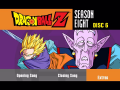 Disc 6 textless songs menu.
(no music) -
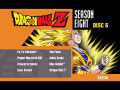 Disc 6 trailers menu.
(no music)
![Discs 1 main menu. BGM: [[]].](/wiki/File:DBZOBS8D1-Main.png)
![Disc 1 episode menu. BGM: [[]].](/wiki/File:DBZOBS8D1-Episodes.png)
![Disc 1 setup menu. BGM: [[]].](/wiki/File:DBZOBS8D1-Setup.png)
![Disc 2 episode menu. BGM: [[]].](/wiki/File:DBZOBS8D2-Episodes.png)
![Disc 2 setup menu. BGM: [[]].](/wiki/File:DBZOBS8D2-Setup.png)
![Disc 3 episode menu. BGM: [[]].](/wiki/File:DBZOBS8D3-Episodes.png)
![Disc 3 setup menu. BGM: [[]].](/wiki/File:DBZOBS8D3-Setup.png)
![Disc 4 episode menu. BGM: [[]].](/wiki/File:DBZOBS8D4-Episodes.png)
![Disc 4 setup menu. BGM: [[]].](/wiki/File:DBZOBS8D4-Setup.png)
![Disc 5 episode menu. BGM: [[]].](/wiki/File:DBZOBS8D5-Episodes.png)
![Disc 5 setup menu. BGM: [[]].](/wiki/File:DBZOBS8D5-Setup.png)
![Disc 6 main menu. BGM: [[]].](/wiki/File:DBZOBS8D6-Main.png)
![Disc 6 episode menu. BGM: [[]].](/wiki/File:DBZOBS8D6-Episodes.png)
![Disc 6 setup menu. BGM: [[]].](/wiki/File:DBZOBS8D6-Setup.png)
![Disc 6 extras menu. BGM: [[]].](/wiki/File:DBZOBS8D6-Extras.png)


Menu
The main DVD menus all feature the artwork from the box cover, accompanied by an unreleased background music (BGM) track composed by Nathan Johnson.
The episode selection menus feature the same Shenlong artwork with screenshots from each specific disc's episodes. This menu is accompanied by an unreleased BGM composed by Nathan Johnson.
The setup menus feature a single screenshot from each specific disc's episodes. An unreleased BGM composed by Nathan Johnson.
The extras menu, only found on Disc 6, feature an unreleased BGM composed by Nathan Johnson.
Audio and Subtitles
The English dub audio is mixed in 5.1 surround sound while the Japanese audio is mono (redundant stereo). Additionally, a stereo "U.S. Broadcast Version" audio track with the Falconer Productions score is re-inserted back into the mix. Differences between this track and Funimation's first dub adaptation include re-written lines of dialogue, vocal re-reads for prominent characters, and removed/missing vocal effects.
- Audio
- English 5.1, with original soundtrack (default)
- English Stereo, with replaced soundtrack
- Japanese Mono
- Subtitles
- On
- Off (default)
When subtitles are "on", the subtitle track is the direct translation of the Japanese dialogue by Steven J Simmons; this can be selected regardless of the audio selection. When subtitles are "off", there is still an active subtitle track with translations of Japanese writing that does not appear in the spoken dialogue like signs, symbols, etc. This is intended to accompany the English dub.
Booklet

In 2011, Funimation discontinued the inclusion of printed booklets within their Dragon Ball, Dragon Ball Z, and Dragon Ball GT DVD season sets; PDFs were subsequently made available on official Funimation websites.[2]
Character Profiles
The booklet's profiles are included below exactly as they were written. The profiles were originally accompanied by character art.
Hero Profiles
((WIP))
Enemy Profiles
((WIP))
Tidbits
About The Transfer
This DVD box originally included a booklet. On the back side, a summary of Funimation's questionable methods of remastering the footage is provided. This summary is included below exactly as it was written. Funimation no longer includes the booklets with new printings.
To accomplish the Dragon Ball Z remaster process, FUNimation worked with Video Post & Transfer, a Dallas-based post-production house. The original Japanese film masters were transferred via an industry-standard Spirit DataCine, passing through a Digital Vision DVNR1000 to remove film grain, and then receiving a further round of processing using a Teranex VC600 video computer. These digital noise-reduction units each helped to remove thousands of instances of dirt, scratches, and debris.
The cleaned footage signal was then run through a da Vinci 2K Plus color system to ensure that the colors were true to the original film prints. The da Vinci 2K Plus is an industry standard system used for color correction in feature films and broadcast, and was primarily used in this instance to set the levels of the whites and blacks in the film in order to present the colors in a manner faithful to the original prints.
The final media for transfer was Sony's HDCAM, a fully high-definition digital tape. The film was laid to tape at 1080p HD at 24 frames per second. The frame-rate is important to note, as it allowed the film, which was originally created at 24 frames per second, to be transferred to tape frame by frame. This frame-rate prevented any unnecessary data from being added to the final video, and preserves the film masters at the highest quality possible.
Credits

((WIP))
External Links
References
- ↑ "Podcast Episode #0404" (17 May 2016). Kanzenshuu. Retrieved: 19 January 2021.
- ↑ "Re: Dragon Ball Season 5 Issue" (12 January 2012). Kanzenshuu. Retrieved: 20 January 2021.
| |||||||||||||||||||||||||||||||||||