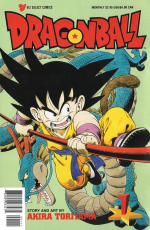
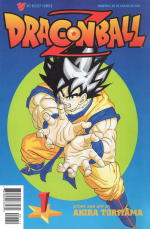
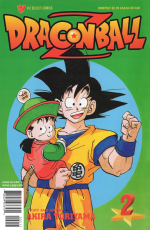
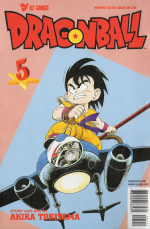
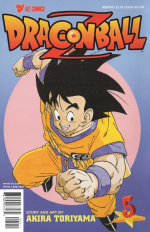
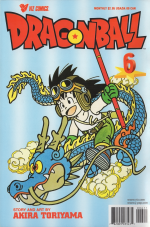
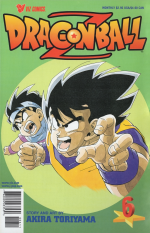
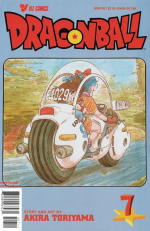
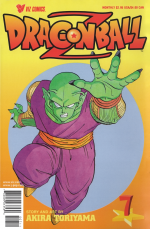
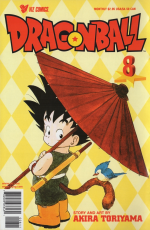
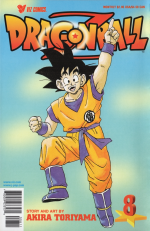
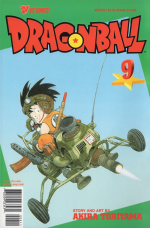
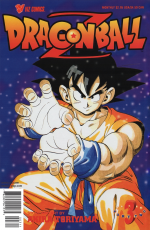
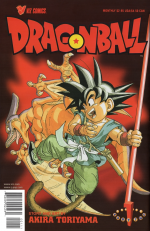
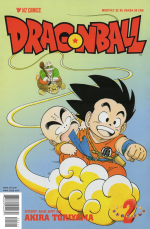
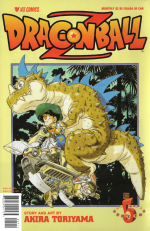
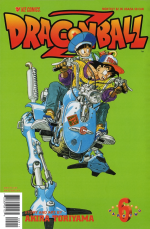
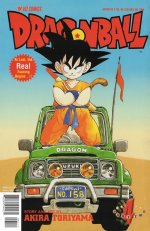
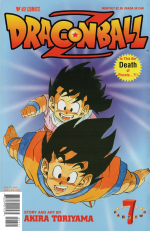
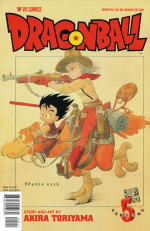
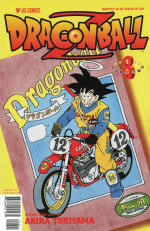
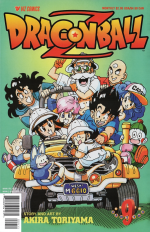
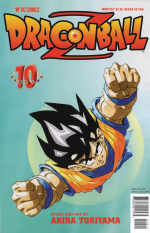
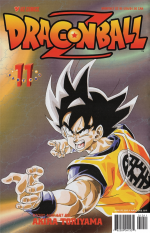
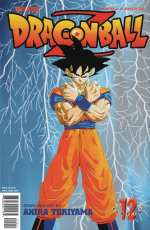
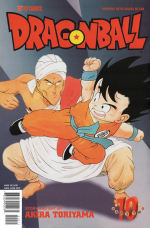
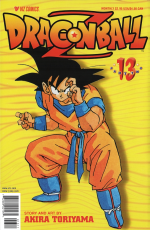
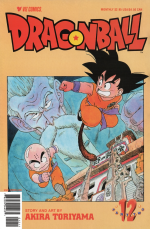
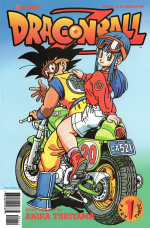
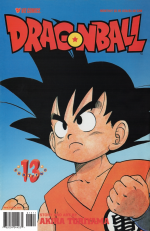
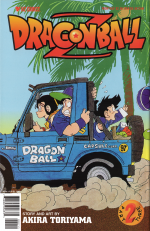
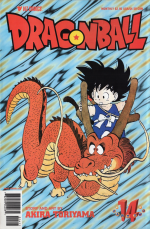
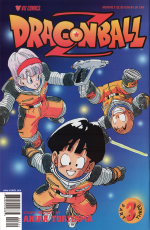
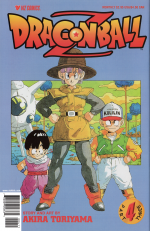
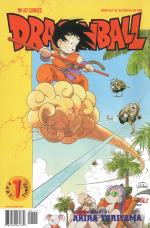
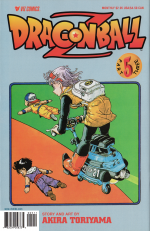
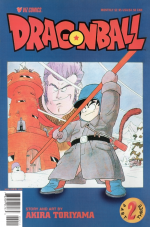
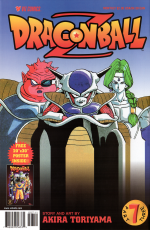
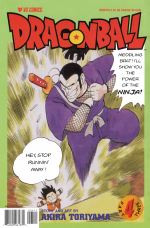
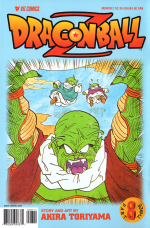
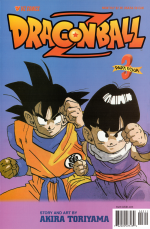
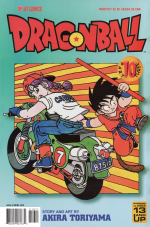
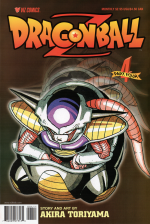
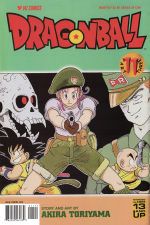
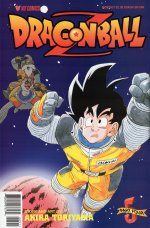
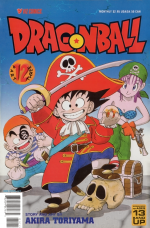
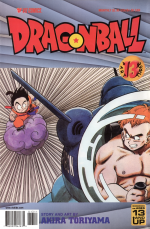
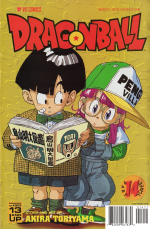
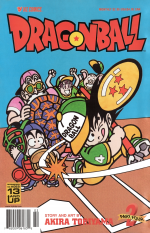
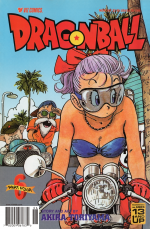
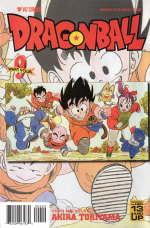
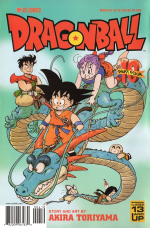
Dragon Ball's first official manga release in America came in the form of monthly comic books from Viz, split into separate "Dragon Ball" and "Dragon Ball Z" versions, beginning in March 1998. This served as the series' primary method of serialization until the launch of Viz's monthly Shonen Jump print magazine in 2003, with "Dragon Ball Z" picking up with chapter 328 of the original run.
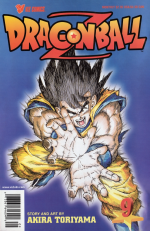
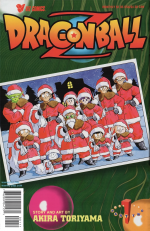
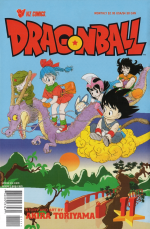
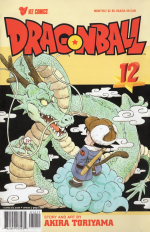
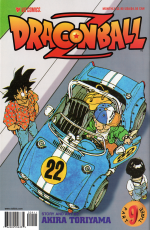
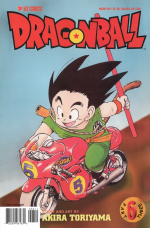
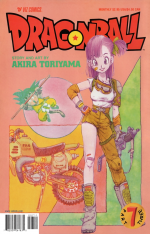
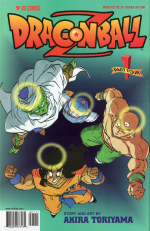
The cover of each issue of the Viz monthly comics features a full-color illustration by Akira Toriyama, often sourced from special features printed alongside the original Japanese manga run in Shueisha's Weekly Shōnen Jump.
Included at the back of each issue were instructions on Japanese reading order due to the then-new "unflopped" print style.
Collected editions compiling these monthly comic releases began in 2000, largely mirroring the original Japanese tankōbon version; these larger "Graphic Novel" editions were themselves supplanted by smaller, "Shonen Jump"-branded graphic novels, even more closely mirroring the Japanese tankōbon version in size. The series would go on to see multiple re-releases and compilations from Viz following this completed format.
History
Through early 1998, no legitimate version of the Dragon Ball manga had been released in America, though "scanlations" (crudely-scanned versions of Japanese and other foreign-language editions with amateur English translations edited in) were somewhat prevalent, if not in wide circulation, online.
Viz's initial release format mirrored that of traditional American comic books of the era in size (6-5/8 inches wide by 10-1/4 inches tall), frequency (monthly), and price ($2.95 US / $4.00 CAN). Though announced as a "limited series" running nine issues each (from March to November in 1998), Viz assured fans in their letter columns and other communications that this was a minimum guarantee, and that they would continue to produce the series as long as it continued to sell.
At this point in time, most manga releases from all companies in America were "flipped", resulting in a left-to-right reading style with mirrored artwork. Following initial experiments with the Neon Genesis Evangelion manga releases, Viz's "Dragon Ball" and "Dragon Ball Z" releases were the first to receive "unflipped" versions from the start, noted by the Special "Manga-Style" Edition header on the inside pages and reading direction instructions in the back of each issue.
Advertisement for retailers in Previews magazine.Advertisement for consumers in Viz's own Animerica magazine.
Advertisements aimed at retailers encouraging them to stock up on or accept orders for issues were shared in trade publications such as Previews (a pre-order catalog and magazine from Diamond Comic Distributors). Additionally, advertisements aimed at consumers were shared in publications such as Viz's own Animerica magazine.
A double-sided preview issue was released ahead of the series' formal release, collecting the first bits of each series reading from either end of the volume. This format would see future, repeated use by Viz in advertising various portions of the franchise, including the original manga alongside Dragon Ball Super. These preview issues were distributed to local comic book shops, passed out at anime and comic conventions, etc.
Viz also distributed a formal press release announcing the forthcoming issues:[1]
Dragon Ball & Dragon Ball Z Shipping to comic stores March 6 The most popular japanese comic in the world is coming to the U.S…and it’s only from Viz!
San Francisco, CA (3/6/98)–Viz Comics proudly announces the March 1998 release of two simultaneous Dragon Ball comic titles: Dragon Ball, presenting the humorous adventures of young Son Goku; and Dragon Ball Z, which follows the considerably higher-stakes adventures of adult Goku who, together with family and friends, must fight to save the Earth from the most mighty villains in the universe. To the delight of Dragon Ball fans worldwide, Viz will be presenting both titles in English, available for the first time ever.
Creator Akira Toriyama’s Dragon Ball isn’t just the most popular Japanese animation program on American TV…it’s the most popular Japanese comic in the world. Beginning in 1985 as a manga series in Japan’s weekly Shonen Jump magazine, Dragon Ball quickly became Japan’s bestselling manga and boosted Jump circulation to over 6.5 million copies. Over a dozen movies and TV specials, hundreds of half-hour TV episodes, and over two dozen video games have been produced, easily making the animated Dragon Ball as popular with Japanese fans as was its original Japanese comic or manga version. The domestic version of Dragon Ball Z is now the highest-rated animated series on American TV, with a whole roster of related videos and merchandise. And now, the English version of the Dragon Ball and Dragon Ball Z manga is poised to become just as big!
DRAGON BALL
The original Dragon Ball manga is the bestselling comic in Italy, France, Spain, Hong Kong, Singapore and Taiwan! Meet a young monkey-tailed boy named Goku (Toriyama’s wry update of the classic Chinese “Monkey King” legend), whose quiet life changes when he meets a girl named Bulma who is on a quest to collect seven “Dragon Balls.” If she gathers them all, an incredibly powerful dragon will appear and grant her one wish. But the precious orbs are scattered all over the world, and Bulma could use the help of a certain super-strong boy…
DRAGON BALL Z
Dragon Ball Z is the basis for the most popular animated series among U.S. teens! Young Goku has grown up, and years of training have made him into one of Earth’s ultimate warriors, if not the ultimate warrior. But the stakes are increasing as more and more deadly menaces begin to appear, including a super-powerful race from outer space that lives for the thrill of conquest. Now Goku and his friends must put their very lives on the line in the ultimate test of martial arts skill. More action-packed than the stories of Goku’s youth, Dragon Ball Z is pure adrenaline, with battles of literally earth-shaking proportions!
Viz Comics supports the launch of the Dragon Ball manga with major advertising, crosspromotions, and no less than four promotions for distributors and retailers. In March, comic retailers will receive a free 8-page Dragon Ball/Dragon Ball Z sample comic; a full-color, 20″x27 1/2″ Dragon Ball poster showing other Dragon Ball products; a Dragon Ball Z sticker; and, courtesy of Bandai and Viz Comics, up to 100,000 free 1″ action figures to give to customers–one for every Dragon Ball or Dragon Ball Z copy they buy!
DRAGON BALL is a 12-issue monthly series (March 1998-February 1999) written and drawn by Akira Toriyama. DRAGON BALL Z is a 9-issue monthly series (March 1998-November 1998) also written and drawn by Toriyama. Each issue is 32 pages long and is printed from right to left in the original Japanese format, with English dialogue and sound effects. Each issue retails for $2.95 in the U.S. and $4.00 in Canada. Let the great fighting tournament begin!
Content
Comparison of an adjusted editor note in "Dragon Ball Z Chapter 3" between its original monthly comic release (top) and later collected edition release (bottom)."Graphic Novel" editions collecting the chapters originally printed in the monthly comics began their release in fall of 2000.
Chapters
Each individual monthly comic issue generally contained two chapters of the original manga (with the first "Dragon Ball" issue solely containing the series' first, extra-long chapter, clocking in at 30 pages as opposed to the standard 14 of subsequent chapters).
References
Due to the split release into separate "Dragon Ball" and "Dragon Ball Z" lines (where no distinction exists in the original Japanese manga serialization), Viz would often include editor notes in between panels to explain story beats that had not yet been covered. In the original monthly comic releases, these notes would often reference articles in Viz's Animerica magazine; in the later collected editions, these notes were altered to reference other collected volumes, or simply story arcs without a publication attribution.
Letter Columns
The monthly comics were also sold in bargain 4-packs with no bar code on the actual comics.
Beginning with the fourth "Dragon Ball" issue, a recurring "Dragon Ball Letters Page" shared feedback, questions, and artwork from the series' readers, sent to Viz via traditional mail or email.
Advertisements
Each issue concludes with advertisements for other Viz manga releases (including other Dragon Ball issues), a message about the reading direction order, and a back cover generally dedicated to Dragon Ball Z home video releases from FUNimation and Pioneer.
Below is a list of the monthly comic issues and the chapters they contained according to sale date. Dragon Ball and Dragon Ball Z were released side by side. Additional information about the contents of each issue can be found on each issue's individual page.